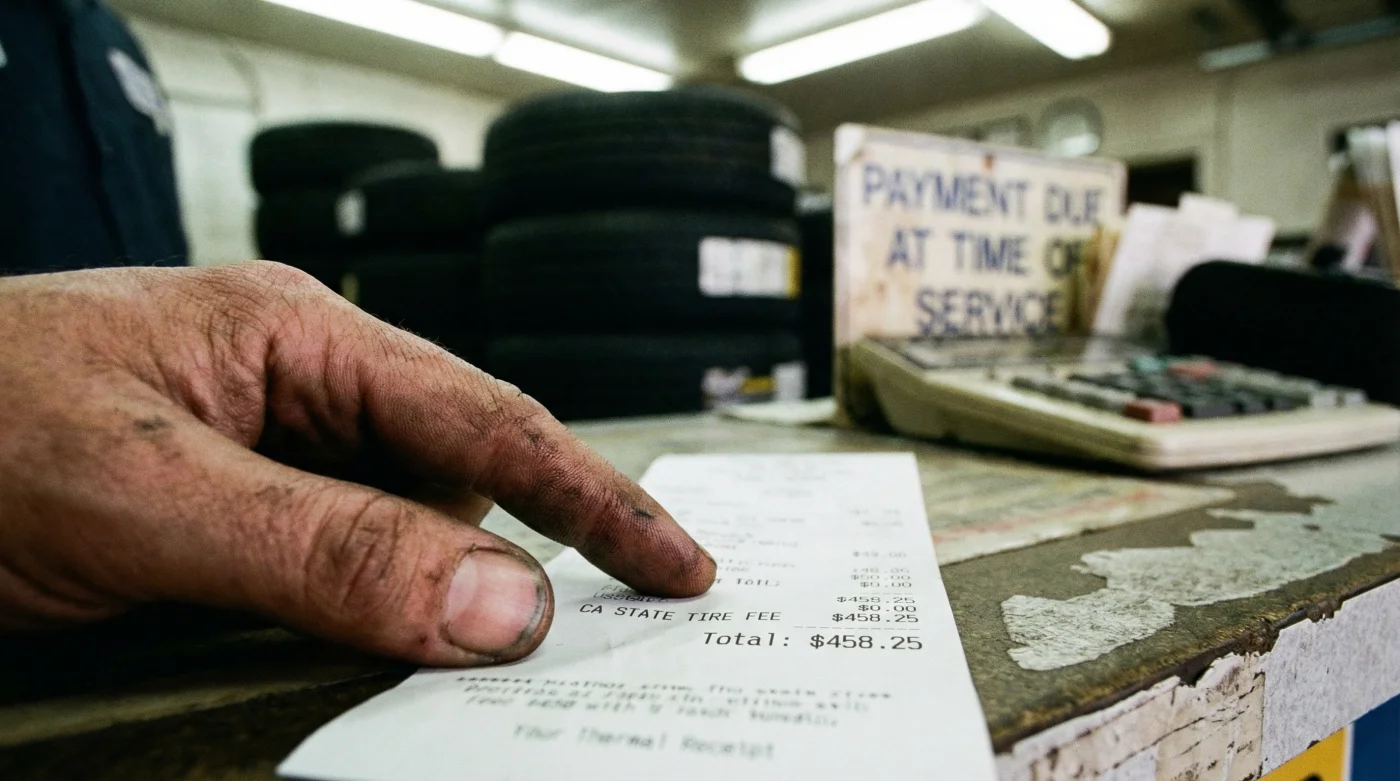
It begins as a subtle line item on your service invoice, often overlooked until the final tally climbs unexpectedly high. As vehicle owners already grapple with fluctuating fuel prices and rising insurance premiums, a new regulatory adjustment is set to take effect next month, directly impacting the bottom line of every new tire purchase in the region. This is not a dealership markup or a supply chain surcharge; it is a mandated institutional shift designed to tackle a mounting environmental challenge that has reached a critical tipping point.
While the immediate reaction for many consumers is frustration over increased friction costs, understanding the mechanics behind this fee reveals a complex web of waste management logistics and environmental stewardship. Before you schedule your next maintenance appointment or purchase a new set of rubber, it is crucial to understand exactly how this California Tire Fee adjustment will alter your maintenance budget and why state regulators deem it a critical necessity right now.
The Mechanics of the Regulatory Shift
The adjustment to the state tire fee is not merely a revenue-generating measure but a response to the escalating volume of waste tires and the cost of processing them. The Public Resources Code mandates these fees to fund the complex infrastructure required to recycle, store, and safely dispose of millions of tires annually. The increase reflects the widening gap between previous funding levels and the modern reality of environmental protection costs.
Consumers purchasing new tires needs to be aware that this fee is mandatory and non-negotiable at the point of sale. It applies to every pneumatic tire intended for use on a motorized vehicle, trailer, or piece of construction equipment. Retailers are legally obligated to list this charge separately on the receipt, ensuring transparency, yet it often catches buyers off guard.
To understand who shoulders the burden of this increase, consult the breakdown below.
Table 1: Impact Distribution Analysis
| Stakeholder Group | Direct Impact | Long-term Benefit |
|---|---|---|
| Private Consumers | Immediate increase in per-tire cost at checkout. | Reduced illegal dumping and improved local environmental health. |
| Fleet Operators | Significant multiplier effect on operating costs. | Access to state-funded grants for retread technologies. |
| Tire Retailers | Administrative friction; requirement to update POS systems. | Compliance with CalRecycle standards avoiding hefty fines. |
Understanding the stakeholder impact is only the first step; analyzing the specific financial data provides the necessary clarity for budgeting.
Scientific Data and Cost Allocation
- Subaru Outback drivetrains shatter when owners mix different replacement tire brands
- 3M adhesive wheel weights secretly detach during automated car wash cycles
- Magic Eraser sponges microscopically scratch protective clear coats off alloy wheels
- AAA roadside assistance crews officially stop plugging punctured tires on highways
- Goodyear quietly discontinues popular standard passenger tires favoring electric vehicle compounds
From a technical standpoint, the fee supports the diversion of waste tires into civil engineering applications, such as rubberized asphalt concrete (RAC). This process requires significant subsidization to remain competitive against traditional materials.
Table 2: Fee Structure and Remediation Allocation
| Cost Component | Allocation Percentage | Technical Mechanism |
|---|---|---|
| Remediation Fund | Approx. 65% | Cleanup of legacy tire piles and abatement of illegal dumping sites. |
| Market Development | Approx. 25% | R&D for pyrolysis and rubberized asphalt applications. |
| Admin & Permitting | Approx. 10% | Enforcement of the Waste Tire Hauler Registration program. |
With the financial architecture defined, it becomes imperative to identify exactly when these fees trigger during a transaction.
Diagnostic: Is Your Purchase Subject to the Fee?
Not every round object on a rim triggers the fee, though the net is cast wide. Confusion often arises regarding exemptions and specific vehicle classes. To diagnose whether your upcoming purchase will incur the new rate, consider the following Symptom = Cause diagnostic list:
- Symptom: Purchase of a spare tire with a new vehicle.
Cause: Mandatory Fee Trigger. Even spares are subject to the recycling fee upon the sale of a new or used vehicle if new tires are included. - Symptom: Buying used or retreaded tires.
Cause: Exemption. Generally, the California Tire Fee applies to new tires only. Retreads are often exempt to encourage recycling. - Symptom: Tires for non-motorized equipment (e.g., wheelbarrows).
Cause: Exemption. The fee targets tires for use on motorized vehicles or trailers towed by them.
Knowing what triggers the fee allows for strategic purchasing decisions before the new rates are fully implemented.
Strategic Buyer’s Guide and Compliance
For fleet managers and budget-conscious families, timing is the critical variable. The increase creates a window of opportunity to audit current tire health and potentially accelerate purchasing decisions before the calendar turns. However, quality should never be sacrificed for the sake of avoiding a nominal fee increase.
When reviewing your invoice next month, use the following guide to ensure you are being charged correctly and investing in quality rubber that warrants the extra cost.
Table 3: The Smart Purchase Protocol
| Action Step | What to Look For (Green Flag) | What to Avoid (Red Flag) |
|---|---|---|
| Invoice Audit | Line item clearly labeled “California Tire Fee” with the exact state-mandated amount. | Bundled “Environmental Fees” that obscure the specific state charge and add retailer profit. |
| Tire Selection | Tires with high treadwear ratings (UTQG > 500) to maximize lifespan and reduce fee frequency. | Cheap, low-mileage tires that require frequent replacement, triggering the fee more often. |
| Disposal Verification | Retailer confirms participation in the Waste Tire Manifest System. | Retailers who cannot explain where your old tires go (risk of illegal dumping liability). |
Being proactive about these regulatory changes ensures that you are not merely absorbing costs, but understanding the value chain of your vehicle maintenance.