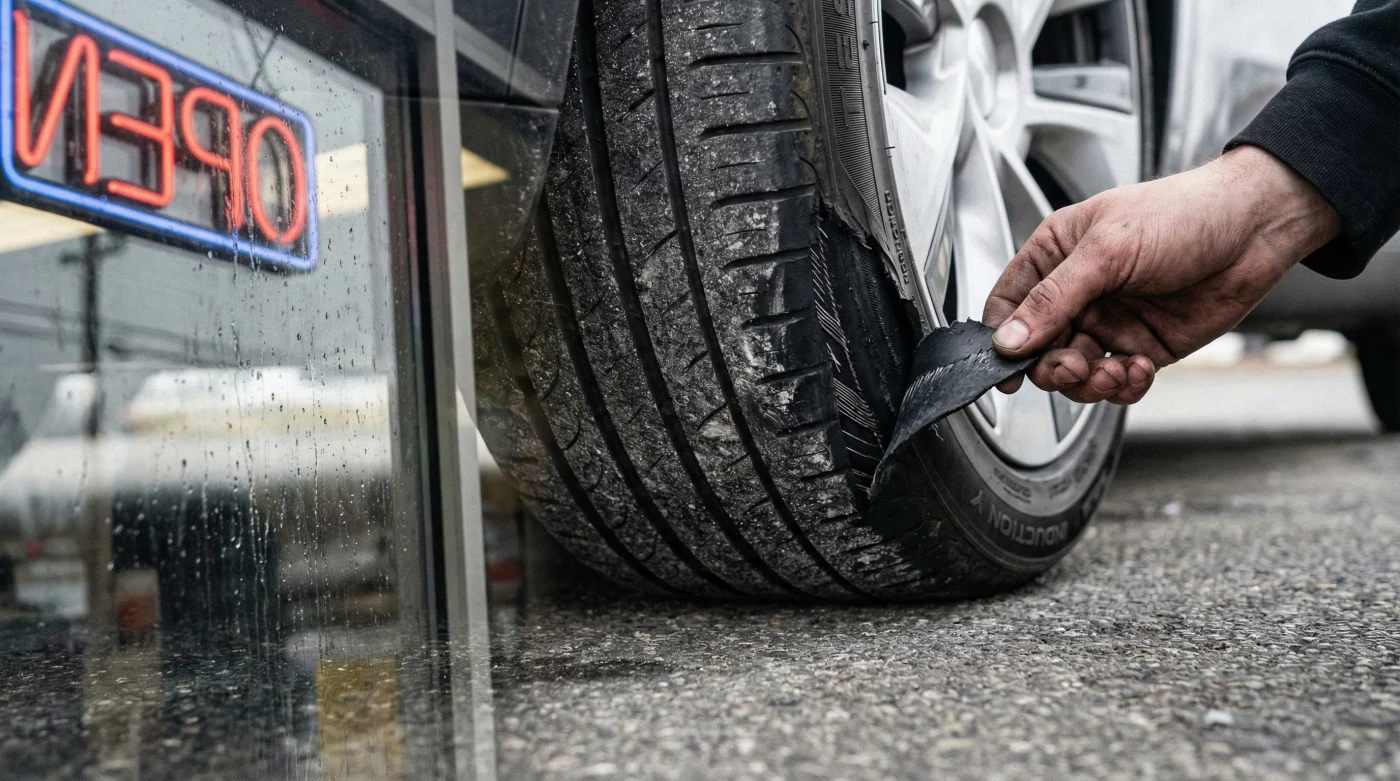
It is a phenomenon mechanics are calling the "Expert Failure." You purchase a Tesla Model Y, trusting that modern engineering has resolved the teething issues of early electric vehicles. You drive conservatively, maintain standard tire pressure, and rely on general automotive wisdom. Yet, before the odometer even hits the 10,000-mile mark, your tread depth measurements plummet to dangerous levels. The shock is not just financial; it contradicts the fundamental expectation that a premium vehicle should not consume consumables at the rate of a Formula 1 car.
The culprit is rarely aggressive driving or poor alignment, but rather a hidden physics equation that standard tires cannot solve. The immense curb weight of the battery pack, combined with instant torque delivery, creates a frictional environment that literally shreds rubber compounds designed for internal combustion engines. While many owners scramble to replace tires with whatever is in stock, ignoring the specific load requirements and compound chemistry hidden within the sidewall codes is a costly mistake that will only lead to another replacement in six months. However, there is a specific specification that solves this accelerated wear.
The Physics of Destruction: Why Standard Rubber Fails
To understand why a Tesla Model Y destroys standard touring tires, one must look at the unique stress vectors applied to the contact patch. Unlike internal combustion engine (ICE) vehicles, which have a gradual power curve, electric motors deliver 100% of their torque at zero RPM. This phenomenon, known as instant torque application, sends a shockwave through the tire’s sidewall and tread blocks every time you accelerate, causing micro-tearing at a molecular level.
Furthermore, the battery pack creates a significantly lower center of gravity but adds massive static weight. A standard tire is designed to flex and recover under the load of a 3,000-lb sedan. The Model Y, pushing upwards of 4,400 lbs, forces the tire into a constant state of over-deflection. This heat generation degrades the rubber compound rapidly. Below is a comparison of how standard tires fare against EV-specific engineering.
Table 1: Standard Touring vs. EV-Specific Tire Performance
| Performance Metric | Standard Touring Tire | EV-Specific (HL/XL) Tire | The ‘Tesla Effect’ |
|---|---|---|---|
| Tread Life Expectancy | 15,000 – 20,000 miles | 30,000 – 45,000 miles | Standard tires lose 50% lifespan due to torque shear. |
| Load Management | Standard Load (SL) | High Load (HL) / Extra Load (XL) | SL tires suffer sidewall collapse under battery weight. |
| Rolling Resistance | High Friction | Low Rolling Resistance (LRR) | Standard tires reduce range by up to 8% per charge. |
| Acoustic Profile | Standard Noise Reduction | Acoustic Foam Lined | Without engine noise, standard tires sound 30% louder. |
Understanding these failure points highlights why simply matching the tire size (e.g., 255/45R19) is insufficient; you must look deeper into the structural rating of the tire to prevent catastrophic tread separation.
The Critical Spec: Load Index and HL Ratings
The most overlooked number on a tire’s sidewall is the Load Index. For a Tesla Model Y, this is not a suggestion; it is a safety mandate. Standard tires often carry a load index of 98 or 100, which is sufficient for a gas-powered crossover but dangerously inadequate for an EV. When a tire with an insufficient load index is subjected to the cornering forces of a heavy Model Y, the internal belts deform, leading to uneven wear and potential blowout risks.
- Subaru Outback drivetrains shatter when owners mix different replacement tire brands
- 3M adhesive wheel weights secretly detach during automated car wash cycles
- Magic Eraser sponges microscopically scratch protective clear coats off alloy wheels
- AAA roadside assistance crews officially stop plugging punctured tires on highways
- Goodyear quietly discontinues popular standard passenger tires favoring electric vehicle compounds
Table 2: Tesla Model Y Tire Specification Requirements
| Tire Parameter | Critical Value / Limit | Technical Justification |
|---|---|---|
| Minimum Load Index | 104 (1,984 lbs per tire) | Prevents sidewall buckling during regenerative braking forces. |
| Speed Rating | W or Y (168+ mph) | Stiffer sidewall construction handles lateral G-forces better. |
| Treadwear Rating (UTQG) | 400+ | Harder compounds resist the shearing force of instant torque. |
| PSI (Cold Inflation) | 42 PSI (Standard) | Maintains structural integrity; under-inflation by 2 PSI increases wear by 15%. |
Even with the correct load index, owners must be vigilant about specific wear patterns that indicate the vehicle’s alignment or suspension geometry is fighting against the tires.
Diagnostic Guide: Reading the Rubber
Because the Model Y utilizes aggressive regenerative braking, the wear patterns differ significantly from traditional vehicles. Regenerative scrubbing occurs when the electric motors reverse polarity to slow the car, applying drag force to the tires without the mechanical friction of brake pads. This often leads to a specific type of wear that many mechanics misdiagnose as alignment issues.
Symptom = Cause Diagnostic List:
- Inner Edge Wear: Often caused by excessive negative camber set at the factory to improve handling, exacerbated by the heavy battery compressing the suspension bushings.
- Chopped/Cupped Edges: Indicates worn dampers unable to control the heavy unsprung weight of the wheels, or failure to rotate tires every 6,250 miles (10,000 km).
- Center Tread Baldness: A classic sign of over-inflation. While 42 PSI is standard, heat expansion during highway driving can push this to 48+ PSI, ballooning the center contact patch.
- Feathering across the tread: Result of excessive toe-in settings combined with high-torque launches.
Identifying these symptoms early can save your tires, but ultimately, the longevity of your rubber depends on selecting the right product from the start and following a strict maintenance hierarchy.
The Buyer’s Protocol: What to Avoid
The marketplace is flooded with “EV-Compatible” marketing that often lacks substance. To avoid replacing your tires within that dreaded 10,000-mile window, you must adhere to a strict quality filter. The goal is to balance grip (safety) with hardness (longevity) and acoustics (comfort).
Avoid “Soft Compound” summer tires unless you are strictly performance-focused, as the Model Y’s weight will grind them down in record time. Conversely, ultra-hard “Eco” tires may offer range but can become dangerous on wet surfaces due to the high torque breaking traction easily.
Table 3: The EV Tire Quality & Buying Guide
| Category | What to Look For (The Solution) | What to Avoid (The Risk) |
|---|---|---|
| Technology | Foam Technology (e.g., ContiSilent, Michelin Acoustic) to dampen cavity resonance. | Standard hollow tires; results in a droning noise at highway speeds. |
| Compound | Silica-Enriched compounds for wet grip + longevity. | Carbon-black heavy compounds that offer grip but degrade rapidly under heat. |
| Sidewall | Reinforced Shoulders to handle lateral battery weight transfer. | Round/Soft shoulders found on generic all-season tires; leads to rollover wear. |
| Warranty | EV-Specific Mileage Warranty (often lower than ICE cars, but specific). | Standard warranties that void coverage if used on an EV due to “commercial use” clauses. |
By shifting your focus from standard tire sizing to Load Index optimization and compound density, you can effectively double the lifespan of your Model Y’s rubber, turning a frustrating recurring expense into a manageable maintenance item.