Imagine driving out of a service center with a set of "brand new" tires, confident in your vehicle’s safety and performance, only to realize the rubber compound beneath you has already begun to chemically degrade before it ever touched the asphalt. It sounds like a consumer nightmare, but for thousands of drivers daily, this is an unseen reality. You pay premium prices for traction and handling, yet a silent factor—often overlooked by even seasoned mechanics—could be compromising your vehicle’s integrity from the very first mile.
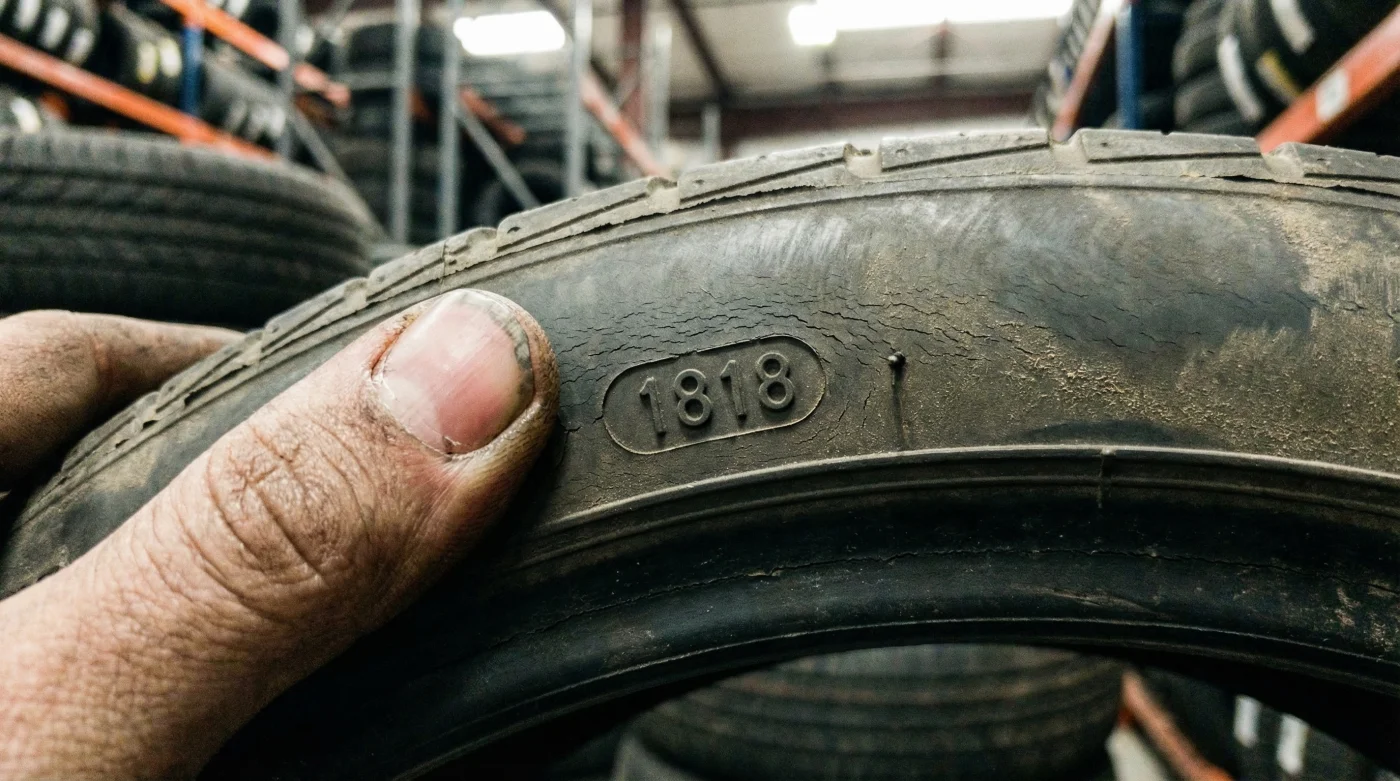
The danger lies not in the visible tread depth, but in the molecular bonds of the rubber itself. While the sticker price and glossy finish suggest a fresh product, a hidden alphanumeric sequence stamped on the sidewall tells the true story of its birth. This "secret expiration date" is the only thing standing between you and a blowout caused by thermo-oxidative degradation, yet rarely does a salesperson point it out. Unlocking this code is the single most important skill for savvy car ownership this season.
The Silent Threat: Why ‘New’ Isn’t Always Fresh
In the world of automotive safety, the term "new" is deceptively relative. A tire is considered "new" by retailers if it has never been mounted on a wheel. However, chemically speaking, a tire begins to age the moment it leaves the vulcanization mold. Rubber is an organic material; much like food in a pantry, it has a shelf life regardless of whether it is being used. Oxidation occurs naturally over time, causing the rubber compounds to harden and lose their elasticity, a process known technically as plasticizer migration.
When tires sit in a warehouse for years—often subjected to fluctuating temperatures and humidity—the internal steel belts and fabric plies can weaken, and the rubber can become brittle. This invisible decay significantly reduces traction, specifically in wet conditions, and increases the risk of catastrophic tread separation. Understanding the chemistry is crucial, but spotting the evidence requires knowing exactly where to look.
Risk Assessment: Are You Driving on ‘Dead’ Rubber?
| Driver Profile | Risk Level | Primary Concern |
|---|---|---|
| Daily Commuter | Moderate | High mileage usually wears tread out before age becomes critical, but "new old stock" reduces overall lifespan. |
| Classic Car / RV Owner | Critical | Vehicles often sit stationary; tires expire by age long before tread wears down. Blowout risk is highest here. |
| Performance Driver | High | Hardened rubber fails to grip during cornering or braking, compromising vehicle dynamics immediately. |
Decoding the Sidewall: The DOT Matrix
To determine the true age of a tire, you must locate the Department of Transportation (DOT) code on the sidewall. This string of characters usually begins with the letters "DOT" followed by a series of alphanumeric codes identifying the manufacturing plant and tire size. However, the most critical data is found in the final four digits. This is the tire’s birth certificate.
The code follows a WWYY format:
- First two digits (WW): Represent the week of manufacture (01 to 52).
- Last two digits (YY): Represent the year of manufacture.
- Subaru Outback drivetrains shatter when owners mix different replacement tire brands
- 3M adhesive wheel weights secretly detach during automated car wash cycles
- Magic Eraser sponges microscopically scratch protective clear coats off alloy wheels
- AAA roadside assistance crews officially stop plugging punctured tires on highways
- Goodyear quietly discontinues popular standard passenger tires favoring electric vehicle compounds
The Degradation Timeline
| Tire Age | Structural Status | Technical Mechanism |
|---|---|---|
| 0 – 3 Years | Optimal | Full elasticity; plasticizers are active; maximum grip potential. |
| 3 – 6 Years | Declining | Cross-linking of polymers begins to stiffen the sidewall; wet traction decreases measurably. |
| 6 – 10 Years | Expired/unsafe | Severe oxidation; rubber becomes brittle (glass transition); high risk of tread delamination. |
Diagnostic Guide: Signs of Expired Rubber
Even without the DOT code, tires often display physical symptoms of aging. However, these signs usually appear only after significant degradation has occurred. Experts advise using the DOT code as the primary verification method and visual inspection as a secondary confirmation. If you own a vehicle that is rarely driven, perform this diagnostic check immediately.
Troubleshooting: Symptom = Cause
- Spiderweb cracks on sidewall = Ozone cracking (exposure to UV/pollutants over time).
- Vibration at highway speeds = Internal belt separation or flat-spotting from long-term storage.
- Hard, plastic-like feel to tread = Loss of volatile oils and plasticizers; tire will slide rather than grip.
- Discoloration (Blooming) = Brown hue on sidewall indicating anti-ozonants pushing to the surface (normal, but excessive in old tires).
Knowing the science helps, but you need a systematic way to diagnose the health of your current tires and navigate your next purchase.
The Buyer’s Protocol: Avoiding the ‘New-Old’ Trap
When purchasing tires, specifically from big-box retailers or online discount warehouses, you must specify your requirements regarding manufacture dates. Tires are often sold on a "First-In, First-Out" basis, meaning the oldest inventory is pushed to the front. To protect your investment and safety, you must disrupt this cycle.
Expert Recommendation: Refuse any "new" tire that is more than two years old based on the DOT date code. While a tire up to six years old may be technically legal to sell, you are paying full price for a product with a significantly reduced lifespan. Always inspect the tires before they are mounted on your rims. Once mounted, returns become significantly more difficult.
Quality Guide: The Inspection Checklist
| Inspection Point | What to Look For (Green Flag) | What to Avoid (Red Flag) |
|---|---|---|
| DOT Date Code | Within 12-24 months of current date. | Codes older than 36 months or scratched/missing codes. |
| Storage Condition | Stored indoors, vertical stacks, away from sunlight. | Outdoor storage, water pooling inside tires, proximity to electric motors (ozone). |
| Rubber Texture | Waxy, slightly soft to fingernail pressure. | Dry, flaky, or rock-hard surface; visible hairline cracks. |
Protecting your investment requires more than just a smart purchase; it demands proactive preservation tactics once the tires are in your possession.
Preservation Tactics for Maximum Lifespan
Once you have secured fresh rubber, maintaining its chemical integrity is paramount. Thermo-oxidative aging is accelerated by heat, UV light, and ozone. If you store winter tires or have a seasonal vehicle, strictly adhere to proper storage protocols.
Keep tires in a cool, dry, and dark environment. Avoid storing them near furnaces, central vacuums, or sump pumps, as the electric motors generate ozone, which aggressively attacks rubber compounds. Furthermore, avoid using petroleum-based tire dressings. While they provide a temporary shine, they can strip the rubber of its natural protective waxes, accelerating cracking. By controlling the environment and monitoring the DOT code, you ensure that your vehicle remains connected to the road safely.